
The machines of tomorrow need the export compliance strategy of today. Let us support your growth in leading the future.
Real businesses face real compliance hurdles. U.S. export controls (ITAR/EAR) govern nearly every stage of the military technology lifecycle—from how you store technical data to who can access your AI cloud servers. Get the answers you need before you ship.
Explore the regulatory classifications and compliance requirements for key tactical categories controlled under the EAR and USML.
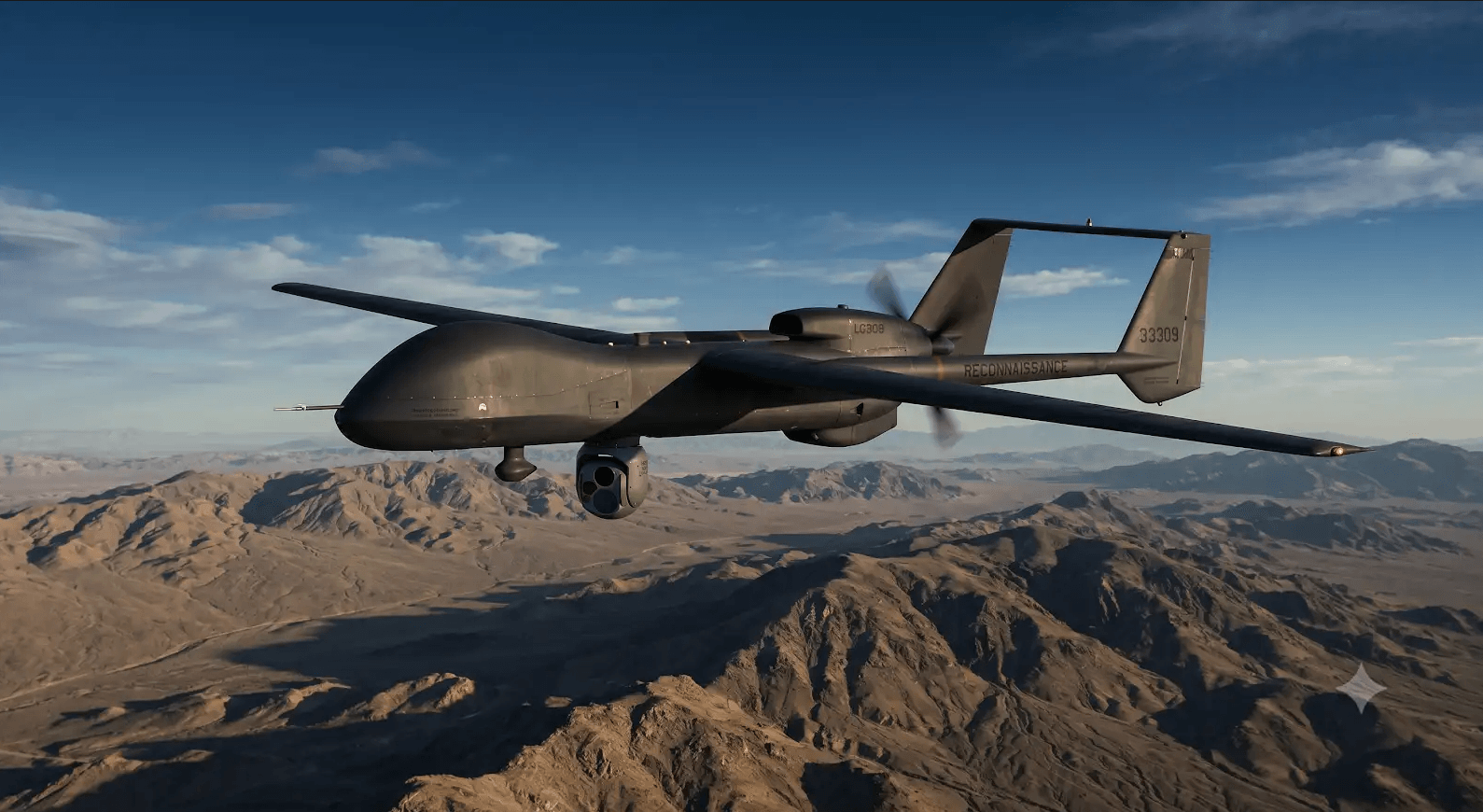
"Do I need a license? Non-military drones with over 1 hour of endurance or advanced navigation often require a BIS license for export to non-allied nations."

"Why is it controlled? Robots specially designed for military use—including autonomous pathfinding or weapons integration—are defense articles subject to strict ITAR control."

"Export to international partners? High-payload or autonomous reconnaissance robotic dogs are considered ground vehicles and may be barred from shipping to sanctioned entities."

"Don't forget the data. The technical data and software that control this rover are often more controlled than the hardware itself."
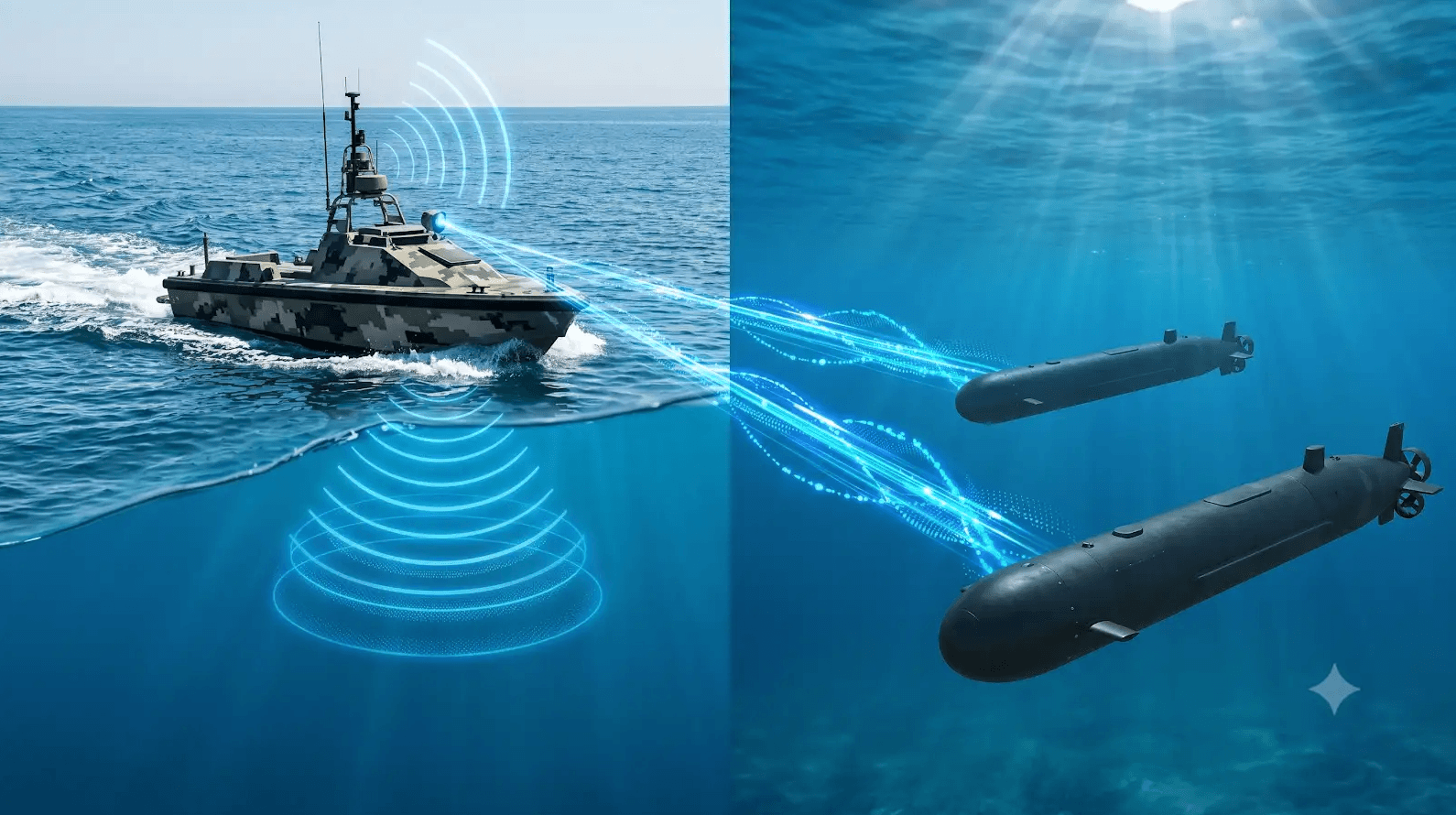
"Connecting the battlefield. These vessels utilize advanced sonar and navigation that are highly restricted from foreign transfer."
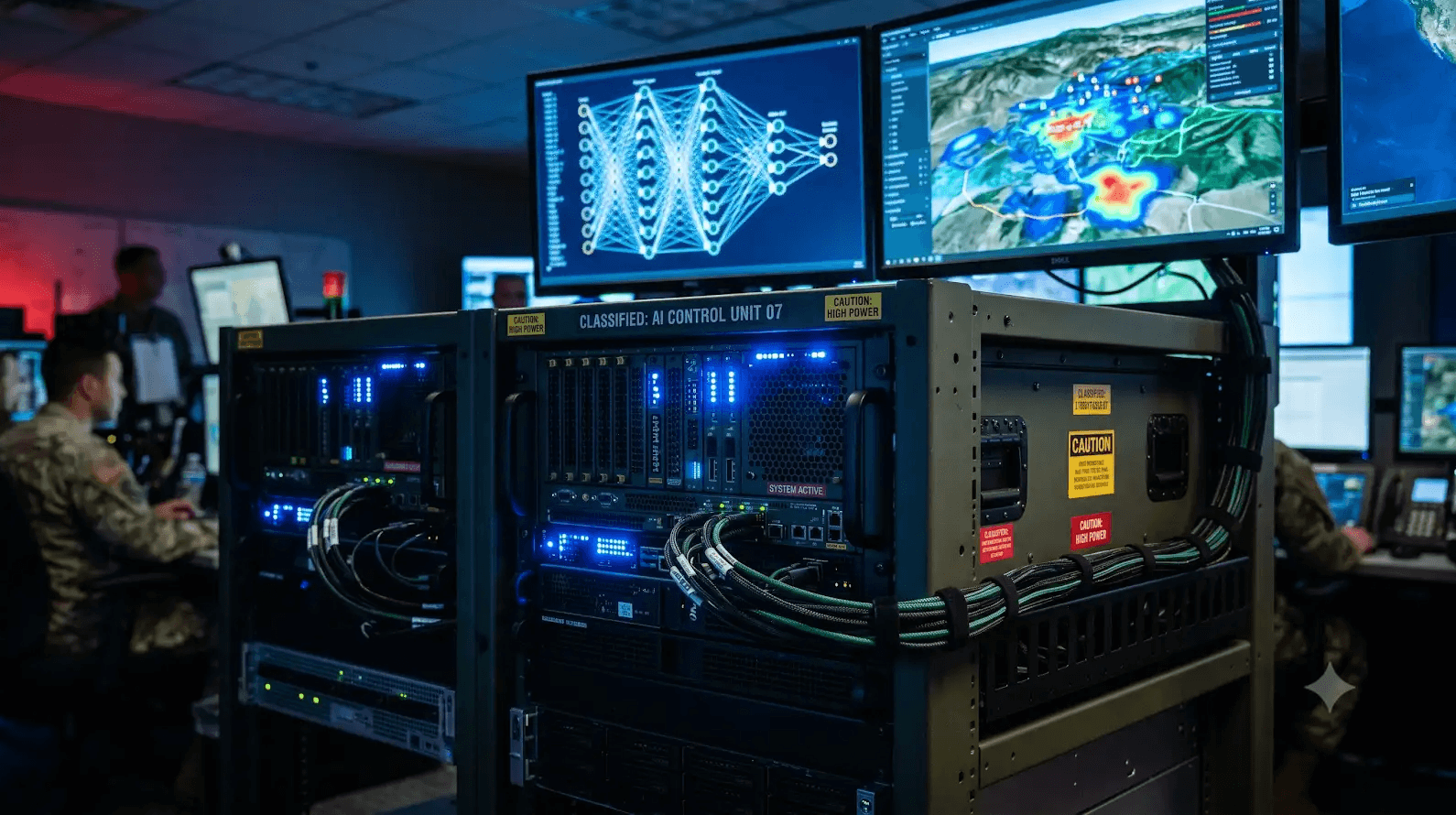
"Remote access is an export. Giving a foreign national cloud access to your AI training data counts as an export and must be safeguarded."
Identify primary jurisdiction boundaries for your technology platform in seconds.
Are foreign nationals (including remote engineering staff or contractors) granted access to the underlying software source code, CAD blueprints, or training sets?
Describe your aerospace hardware or AI models to map global export hurdles immediately.
Powered by Gemini 2.5 Flash. Input custom product specs below to predict export hurdles.
| Hardware / System | Export Jurisdiction | Technical Control Trigger |
|---|
Under 22 CFR § 120.67 (ITAR) and 15 CFR Part 730 (EAR), civil and criminal penalties for non-compliance are immense, often leading to personal liability for key organizational leaders. Establishing a comprehensive export compliance protocol is not just a regulatory necessity, it secures your enterprise valuation.
A Global Trade Compliance Program is the primary safeguard for our organization's operational freedom and global market access. By integrating proactive product classification, robust restricted party screening, and encrypted technology control plans, we mitigate the risk of catastrophic penalties, prevent critical supply chain disruptions, and actively protect our enterprise valuation and corporate reputation in an increasingly complex regulatory landscape.
Customize this comprehensive operational manual for your aerospace, drone development, or defense-related engineering startup immediately.